PAST
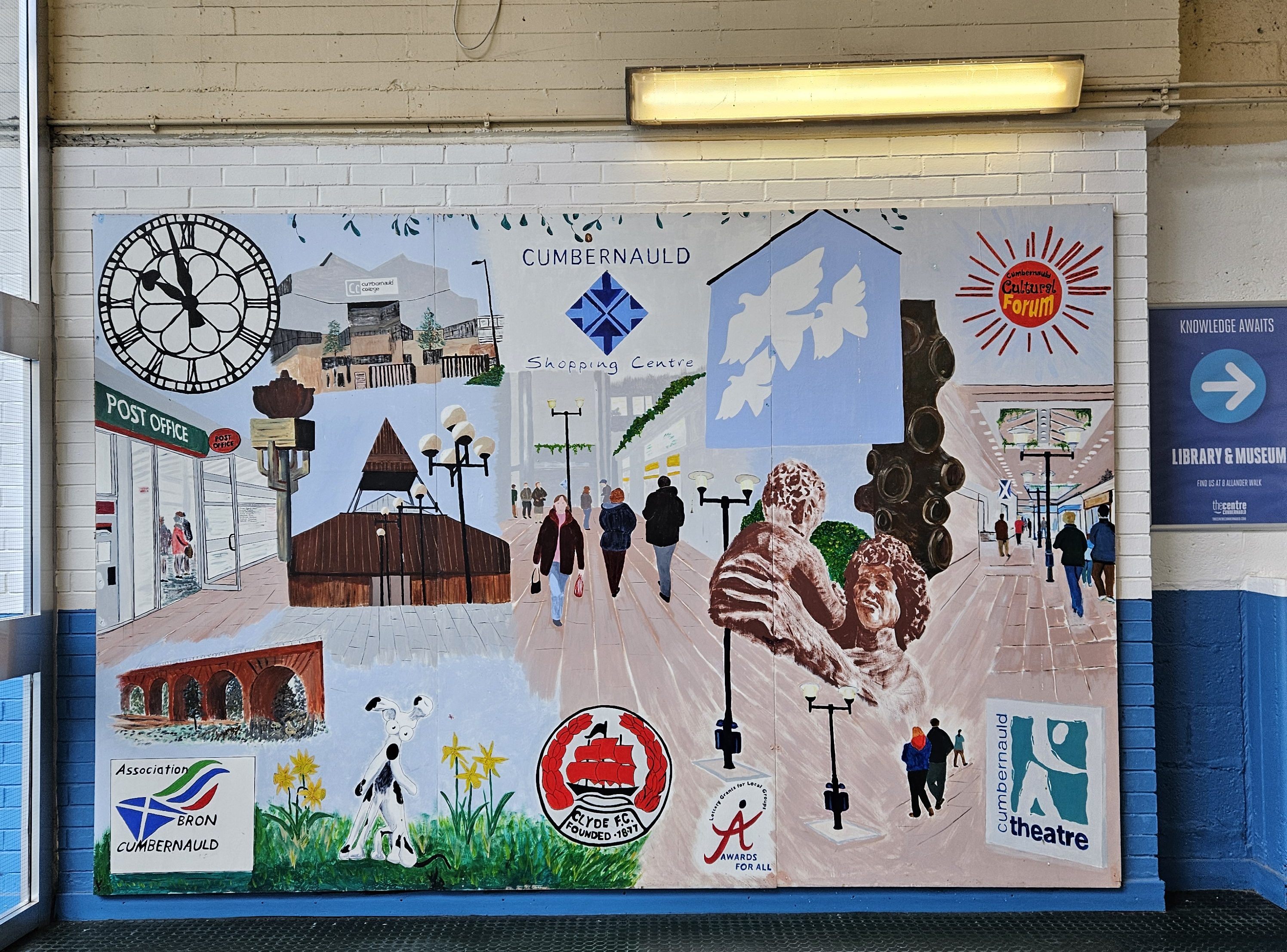
I grew up in a small Scottish town 12 miles from Glasgow, Scotland. When I mention it, those who have heard of Cumbernauld bring up the Town Centre, a now infamous example of brutalist architecture that once symbolized the New Town movement. But Cumbernauld’s history runs deeper than its concrete façade; the town also holds remnants of the past, like the Antonine Wall, a relic of Roman history.
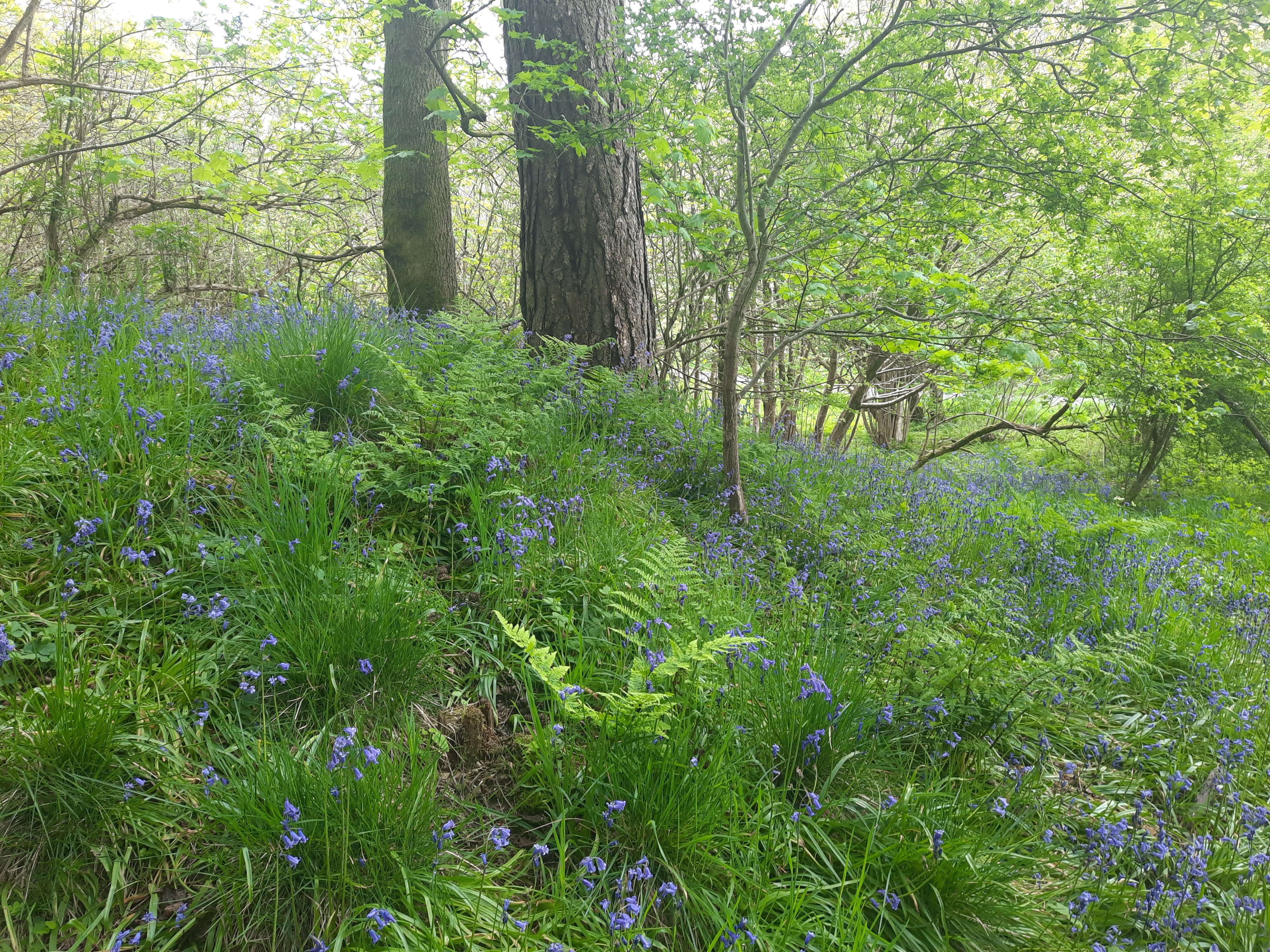
The greys from the granite and concrete were not the only colours from my childhood; beyond the surface of this were pockets of beautiful nature, the Luggie, the Cumbernauld Glen, where you could see the greens of the trees and other plants, the yellows of the buttercups, dandelions, and daffodils, and the light purples of the bluebells. Growing up in Cumbernauld was my first lesson in understanding the history of a place, and the way concrete and nature, past and present, coexist. It taught me that there’s always more to a story than what meets the eye.
At age 4 when I started primary school, I knew I was different from the other kids. It wasn’t just my hair and skin colour that made me different, it was the language my parents spoke at home, the food we ate, the mahogany wood African art we had displayed in the living room. I struggled to understand why my family did things differently. At that age, I had no concept of culture; I only knew that my world looked and felt very different from everyone else’s.
One day, my 18-year-old aunt took me to the library. She picked out books that were probably more for her than for me; Asterix and Tintin were hardly the usual choices for a six-year-old. But for a child already curious about culture and language, they were truly a revelation. Through those pages, I found stories full of people of different ethnicities who spoke different languages, and lived in places I never even knew existed. I learned that travel was an opportunity for growth and for learning. Suddenly, the world felt vast and full of people to meet and places to explore and discover; the world was so much bigger than what I could see from my small Scottish town. I knew one day I would explore it.
Present
Those early stories sparked in me a hunger to see the world beyond the pages, to experience different cultures firsthand. This curiosity has turned into a calling. I’ve been travelling solo for over 15 years and my travels have been my greatest teacher, shaping how I encounter the world. When I travel, I move through the world with curiosity and intention, embracing the experience as a solo female traveler. Very often being without the buffer of a travel partner, I find myself more alert and attuned to the details others might overlook: the quiet moments, the unspoken stories, the gestures of the people, and the histories that are part of the streets.
For me, travel is about connection and understanding. It means asking questions, listening closely and looking beyond the surface. These are also the instincts that shape my work as a writer and journalist. Whether I’m writing a personal reflection on an encounter abroad or reporting on a cultural story for publication, I’m interested in the people behind the places, the histories that shape their lives and the details that reveal something deeper about the world around us.
Future
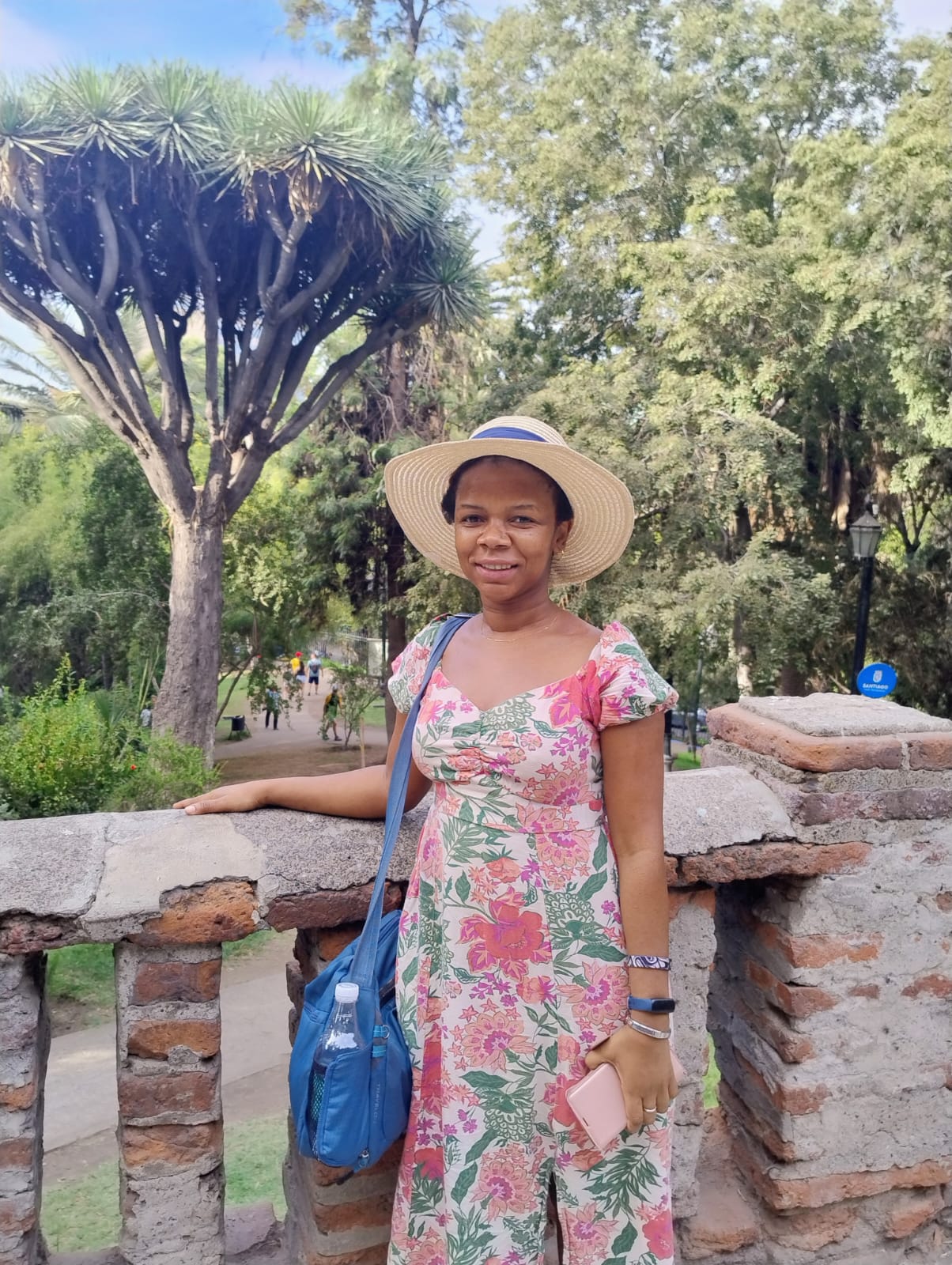
From learning about a haunting story at the Cementerio de la Recoleta in Buenos Aires to sharing a quiet moment of reflection with a septuagenarian Japanese forest-bathing guide in Nagano, my travels have been filled with encounters that have enriched my life and given me food for thought long after the journey has ended. Who would have thought that decades after realising I was different in Cumbernauld, I’d be living my travel dreams? And Cumbernauld hasn’t stopped teaching me; its lessons continue to unfold with every annual return.
These experiences, both near and far, have shaped the way I see the world and the stories I choose to tell. Through World in Words, I share personal travel narratives, cultural observations and reflections on the people and places that leave a lasting impression. Some stories emerge from conversations with locals and fellow travellers; others begin with a question about history, identity, tradition or belonging. I’m drawn to the small details that might otherwise go unnoticed, and to the moments that challenge assumptions or reveal something unexpected about a place and its people.
Through my writing, I hope to invite you beyond the familiar lens of tourism and into a world of deeper connection, curiosity and discovery.
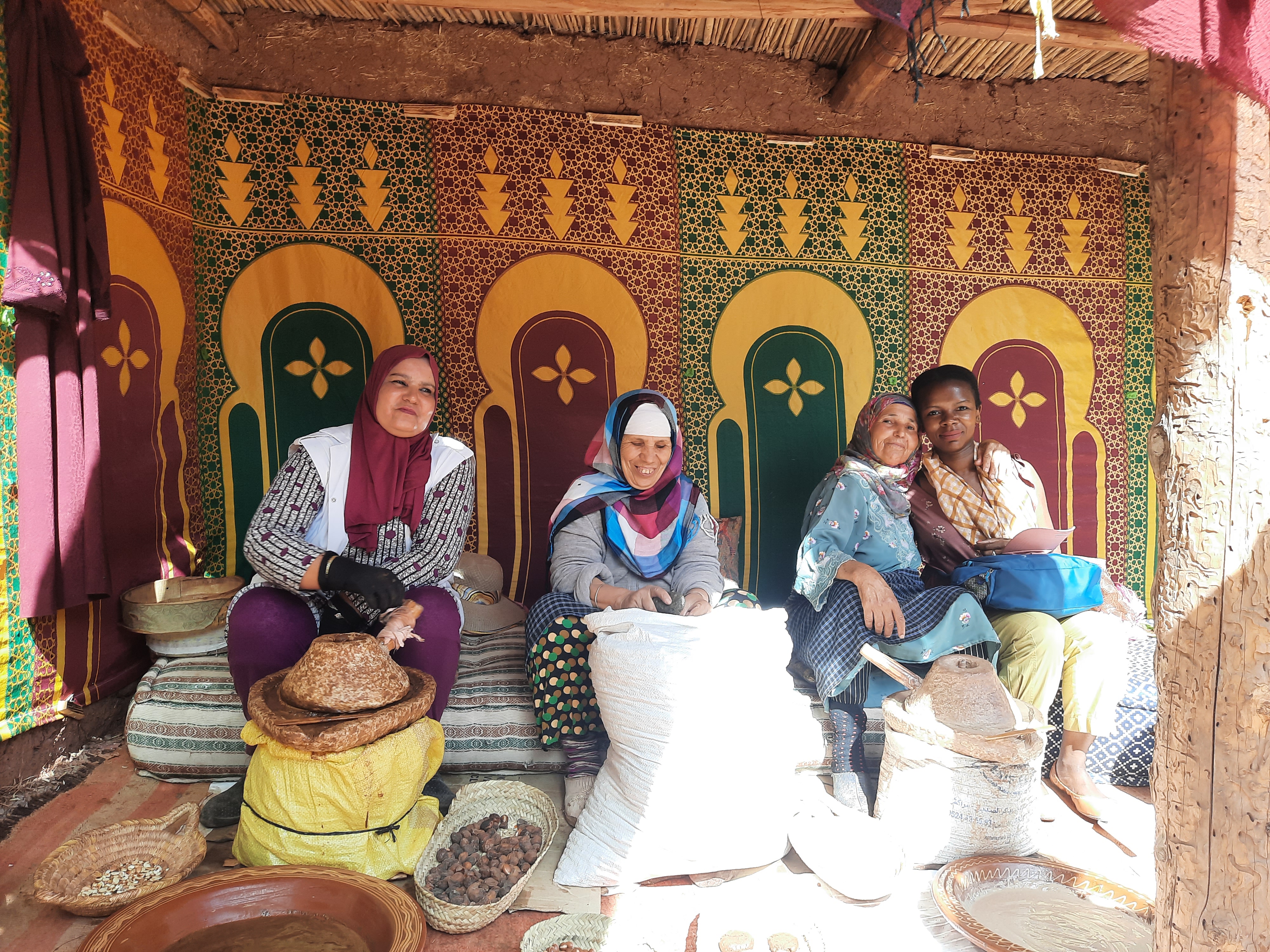
At an argan oil women’s collective near Marrakech
PROFESSIONAL BACKGROUND
I’m a writer and journalist with a BA in Sociology from Thompson Rivers University, an MA in International and Intercultural Communications from Royal Roads University, and a Journalism certificate from Langara College. My background in sociology, intercultural communication and journalism informs my interest in how people experience the world, how cultures are understood and represented, and how individual stories connect to wider social and cultural questions.
I’ve contributed reporting, essays and interviews across culture, travel and current affairs, with work published by outlets including CBC and Megaphone Magazine. My travel writing has also appeared in Fields and Stations. As the Canadian ambassador for DotScot, I maintain a connection to Scotland, where I grew up, while my interest in Spanish and Portuguese has deepened my personal connection to Latin America.
Check out this write-up on my work by Scottish publication Saltire Sentinel.
Read more about Glasgow-based journalist Alison Irvine’s work on the Cumbernauld Town Centre, an iconic and contested site that was pivotal in my own childhood. I had the opportunity to be interviewed by Irvine for this project.